Meta spins out Supernatural; the new owner charges $20 a month as legacy subscriptions end December 3
The VR fitness app Meta fought the FTC to own has been spun out to a 15-person indie team, and every legacy subscription shuts off on December 3. Its relaunch is the first test of whether a former platform-exclusive can hold its subscribers at a higher price.
 Richard Tang · 2 min read
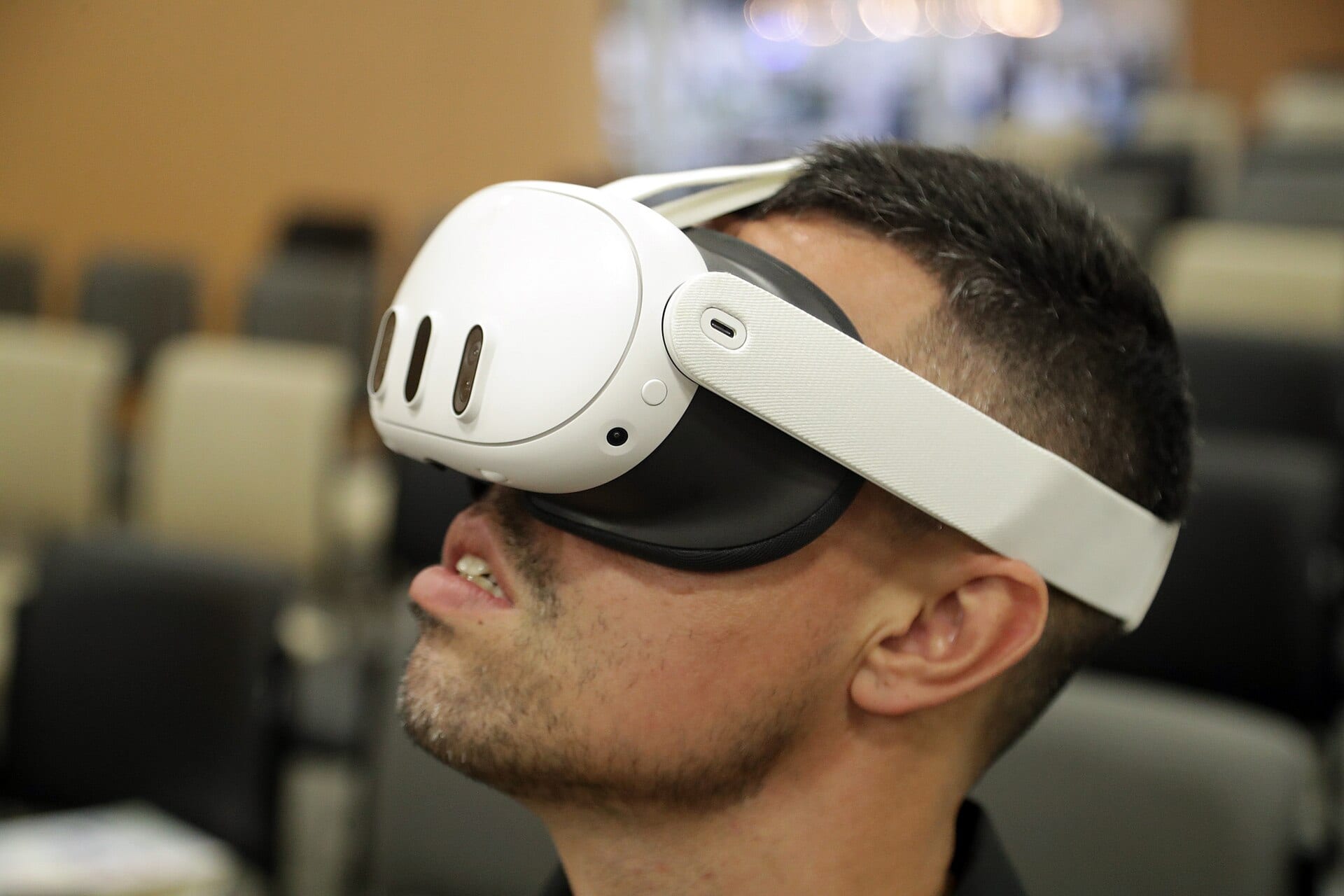
Meta+1.52% — Meta, up 1.52 percent today fought the Federal Trade Commission for the right to own Supernatural, the VR fitness app at the center of a $400 million acquisition 3. Now Meta has spun it out, and the paying members who kept it alive have until December 3 to follow it out of the building 31. That is the first hard test of whether a former platform-exclusive killer app can survive as an independent business.
The comeback is live, with a hard deadline
Supernatural Health, a 15-person independent company led by CEO James Senior, previously a Meta VR platforms executive, and head of fitness Leanne Pedante, relaunched the app in early access on Quest on October 21, 2026, after Meta announced the spin-out in June 1. Early access ships with thousands of remastered workouts, hundreds of relicensed tracks, a new Laguna Torre environment and household accounts for up to four people per headset 1.
The catch: Meta's legacy edition winds down on December 3, taking every associated subscription with it, and member history, streaks and badges transfer only until then 1. The new subscription costs $20 a month or $200 a year, with founding members getting $20 off the annual plan, and service is US and Canada only for now 12.
Loyalty is the asset, December 3 is the test
Pedante is clear about why the app exists at all: "We're coming back because people raised their voices and started petitions" 2. Investors should read that loyalty as the company's core asset, and the December 3 cutover as the test of whether it holds 2.
Multi-platform is on the table, not in the store
Senior confirmed the app is still Meta-only, with other devices "being looked at": SteamVR and Android XR are candidates, and on Google's Xreal Aura glasses he said the convergent AR-VR space is "an area we would want to experiment and lean in", without committing 2.
The new app currently supports controllers, with hand tracking to come later 2, and that timing matters: Meta's $1,299 VR Glasses, due next spring, ship without controllers, so hand tracking becomes the default exactly when Supernatural needs to be ready 2. The team sees the lighter, breathable form as a natural fit for workouts 2.
December 3 decides which lesson holds
Watch the window to December 3 1. If the base migrates, an independent studio has converted user loyalty into a going concern and XR content studios gain a working playbook for life off-platform. If it does not, Meta loses a proven retention driver and the lesson is that platform exclusivity, once broken, is hard to rebuild.
Get Applications by email, free
How AI is changing the software people and companies use. In our daily email, every weekday.