Microsoft quit Nscale's UK AI campus over power not due until the 2030s; National Grid reports November 5
Microsoft walked out of Nscale's £2 billion Loughton data center after UK Power Networks said power could not be guaranteed until the early 2030s. National Grid, the listed monopoly building the transmission wires the AI boom needs, reports half-year results on November 5 with the Swiss bank UBS holding a Sell rating into them.
 Richard Tang · 3 min read
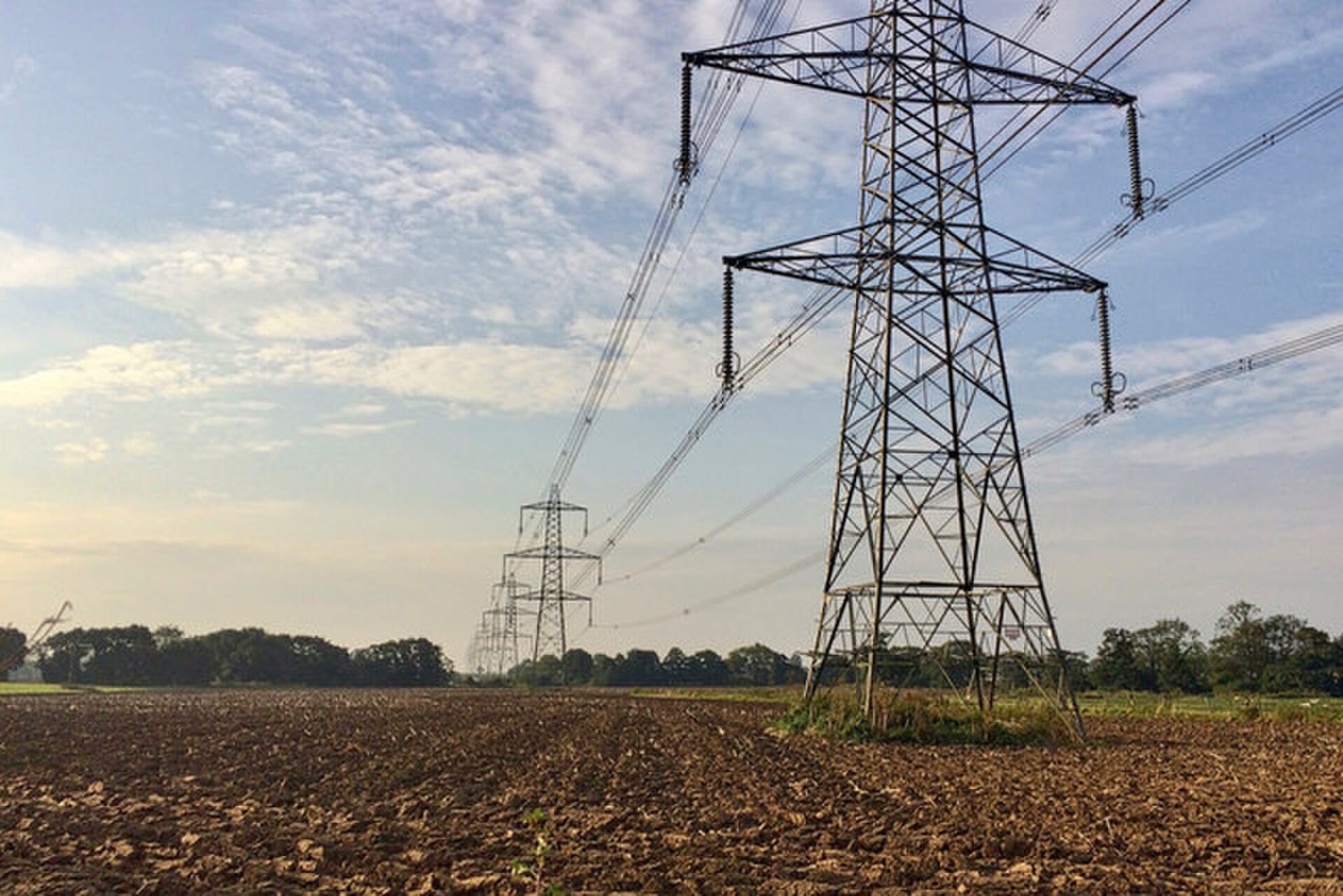
Microsoft−2.35% — Microsoft, down 2.35 percent today has quit as anchor tenant of Nscale's flagship data center at Loughton in Essex 1, after UK Power Networks, the local distribution operator, told the Nvidia−4.62% — Nvidia, down 4.62 percent today-backed startup it could not guarantee the site's 90-megawatt connection until the early to mid 2030s 2. That leaves National Grid+2.17% — National Grid, up 2.17 percent today, the listed monopoly building the transmission wires the AI boom needs, reporting first-half results on November 5 with the Swiss bank UBS holding a Sell rating into them 3.
A week ago National Grid's story here was an upgraded earnings growth outlook on one-off venture gains (our October 15 article); what is new since is UBS's Sell, Microsoft's walk and a capitalized interest bill that has more than doubled 3.
Loughton had approval, endorsement and no power date
Loughton was the showcase: a £2 billion campus named in the government's 2025 AI action plan 2. It was due to open early next year with 23,040 Nvidia GB300 GPUs serving Microsoft's Azure in Britain 1. The endorsement bought planning approval and official backing; it did not buy a delivery date for electricity 2.
Microsoft's spokesperson called the exit a decision "related to a single site" 1. Nscale, the party with every reason to shrink the problem, called it instead "a London-wide grid issue" 1, and the regulator's queue data supports the startup's framing. For Microsoft the exit is portfolio management: its finance chief has said land and data center shells are a small part of its spending and can be re-timed 4.
The queue is growing faster than the wires
Demand is not in dispute. Ofgem, the UK energy regulator, counts about 315 data center projects waiting for grid connection, and the demand they represent exceeds the country's entire peak use 2; chief executive John Pettigrew expects National Grid's data center demand to multiply sixfold by 2035 2. Delivery is the constraint. The National Energy System Operator has suspended new connection applications while reforms are prepared 2, and the National Audit Office found 64 of 88 Clean Power 2030 projects still at an early stage 3.
Data center demand waiting for the UK grid exceeds the country's peak use
- Estimate
Data
| Value | |
|---|---|
| UK peak demand | 45 |
| Ofgem queue (formal) | 73 |
| Ofgem queue (rough est.) (estimate) | 100 |
Loughton is the first visible price of that queue: a customer left rather than wait up to a decade for electricity.
Record profit, and a bigger bill for waiting
UBS forecasts first-half operating profit of £2.624 billion, up from £2.292 billion, with earnings per share of 35.7p against 29.8p, driven by UK electricity transmission 3. Its Sell rests on valuation, not on earnings: National Grid trades at a premium to the value of its regulated asset base, and the bank expects no near-term deterioration 3. Schedule is the separate risk.
Capitalized interest more than doubled to £424 million in the half 3; the company has committed $1.75 billion to a 2.7 gigawatt captive power project in Texas that UBS expects to pay no cash until the 2030s 3; and its US business is appealing a Federal Energy Regulatory Commission (FERC) order behind about $1.5 billion of customer refunds that National Grid plans to process in 2027 53.
National Grid's capital spending has nearly tripled in seven years
Data
| Capital spending | |
|---|---|
| FY2019 | $4.8B |
| FY2020 | $5.15B |
| FY2021 | $5.76B |
| FY2022 | $6.67B |
| FY2023 | $7.52B |
| FY2024 | $8.79B |
| FY2025 | $11.37B |
| FY2026 | $13.23B |
November 5 is about the delivery schedule
The numbers to watch in the results are the build dates and the interest bill. If the transmission program holds its schedule and capitalized interest stops compounding faster than regulated revenue arrives, the case for owning the wires stands; if not, the demand in Ofgem's queue is likely to be built on grids that deliver sooner, and National Grid collects its returns on wires that arrive late 23.
Ofgem's proposed fix, charging developers to hold queue positions, clears the speculative applications but does not shorten a substation build 2. Until someone can promise power on a stated date, anchor tenants with options will keep pricing that gap, and Microsoft just showed what that pricing looks like. Whoever closes that link, a grid operator or a developer building its own power, earns the boom's money.
Get Power by email, free
How AI's hunger for electricity moves utilities, power plants and the grid. In our daily email, every weekday.