Texas Instruments says a humanoid carries $500 to $1,000 of its chips, and dates the ramp to 2027
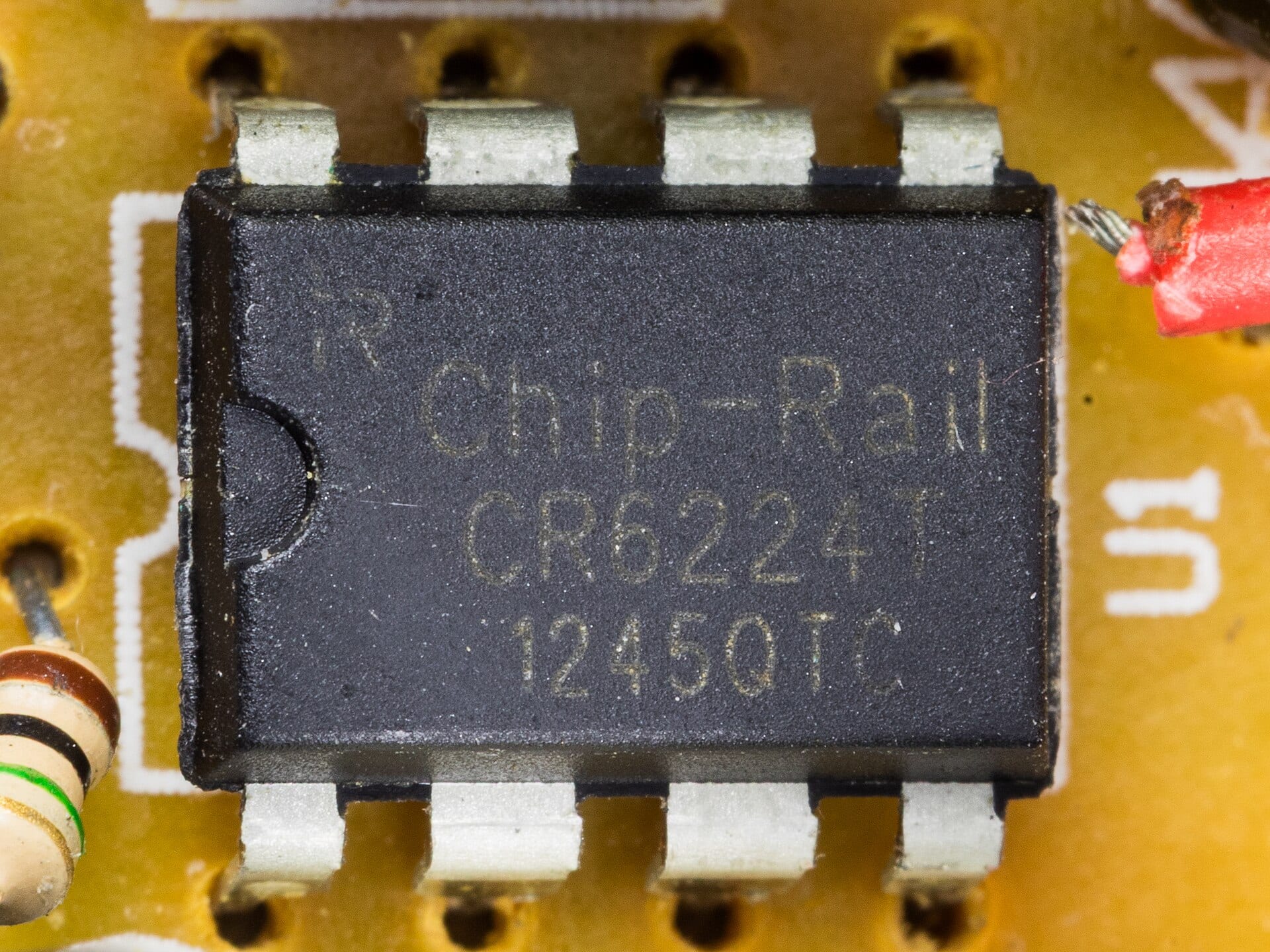
Texas Instruments told analysts each humanoid will carry $500 to $1,000 of its silicon, with the production ramp in 2027, and LG Innotek's Nvidia-wired robot cameras point to the same year. The side of the market that bills per part is the honest calendar.
 Richard Tang · 3 min read

The companies paid per robot part have now priced the humanoid market, and their calendar runs a year behind the pitch. On Texas Instruments'−1.98% — Texas Instruments, down 1.98 percent today earnings call on Wednesday, chief executive Haviv Ilan put TI's own silicon in each humanoid at $500 to $1,000, called robotics "very early," and pointed to 2027 for the ramp 1. The same week at Nvidia's−4.13% — Nvidia, down 4.13 percent today GTC Berlin conference, LG Innotek−2.83% — LG Innotek, down 2.83 percent today showed the robot's eyes, camera modules built to feed Nvidia's compute directly 2.
When suppliers and startups disagree about timing, give the suppliers the benefit of the doubt: they get paid either way.
A humanoid's joints and eyes are being standardized onto Nvidia's platform
TI's share of the machine is the body. Gallium nitride power stages switch a 48-volt motor joint faster and with less waste heat than silicon, C2000 real-time controllers close the loop, and published reference designs for joints and hands let a robot maker buy motion control instead of building a silicon team 3. TI already supplies Apptronik~$1B — Apptronik, private, latest valuation ~$1B, and reportedly runs UBTECH Walker S2 humanoids on its own production lines 3.
LG Innotek, the Korean parts maker whose optics come out of smartphone cameras, supplies the senses: a camera module and a fused camera, LiDAR and radar vision system built for Holoscan Sensor Bridge, Nvidia's fabric for moving sensor data into GPU memory without a CPU detour 2. Nvidia used the same Berlin show to extend Holoscan into real-time control, the path robotic hands will need 5. The capability chain is being assembled and standardized. What is missing is units.
The quarter that carried the robot comment was not about robots
TI's third-quarter revenue rose 28%, and its industrial business only now climbed back to a peak last seen in 2022 6. Robots are a footnote in that recovery, and Ilan declined to make them more: "I do not know how many they will build there next year, but definitely the demand is they want to grow" 1. The supplier with the most to gain per robot would not say how many robots there will be.
TI's analog cycle turned in early 2025, well before the humanoid ramp it dates to 2027
Data
| Revenue growth, year on year | |
|---|---|
| Q4 '23 | -12.7% |
| Q1 '24 | -16.4% |
| Q2 '24 | -15.6% |
| Q3 '24 | -8.4% |
| Q4 '24 | -1.7% |
| Q1 '25 | 11.1% |
| Q2 '25 | 16.4% |
| Q3 '25 | 14.2% |
| Q4 '25 | 10.4% |
| Q1 '26 | 18.6% |
| Q2 '26 | 22.8% |
| Q3 '26 | 28% |
The asymmetry is the trade
The new fact this week, beyond our October 14 report on Apptronik's Gemini-trained robot link, is that the supply side attached numbers and dates 2. TI quoted its content per machine; LG Innotek dated its next-generation vision and hand modules to CES and GTC next year, while its robot cameras are already in production for a North American client and its component work with Boston Dynamics continues 2.
Money that funded humanoid makers at 2026-volume marks needs the ramp to arrive on time. TI and LG Innotek get paid per part if it slips, which is why their 2027 is the number to plan around.
Get Chips by email, free
How AI demand is reshaping chipmakers, memory and the fabs behind them. In our daily email, every weekday.