AEP built the machine for its AI load before the load exists, and Jacobs gets paid either way
In one week AEP hired the builders for its $37 billion transmission program and created a unit to sign contracts with the very customers driving the load. The 84 gigawatts are agreements, not meters, and the equity is already raised.
 Richard Tang · 3 min read
American Electric Power−0.08% — American Electric Power, down 0.08 percent today just spent a week building the machine to deliver its AI promises, before a single new gigawatt of that demand is energized. In three moves: a $37 billion transmission delivery contract on October 29, a new contract-based business unit on November 3, and a $100 billion capital plan underneath both. The wires get built either way. The question that decides whose money moves is whether the signed gigawatts show up as billed load on schedule.
Start with the demand claim. AEP signed 15 gigawatts of new customer load commitments in the third quarter, bringing projected incremental contracted demand to 84 gigawatts by 2031, 92% of it data centers and high-density computing including crypto operations 3. But the book counts executed service agreements and letters of agreement, not meters, and AEP discloses no split by state or energization year 4. A signed future load is still waiting for a meter.
This week AEP contracted the builders, not just the wires
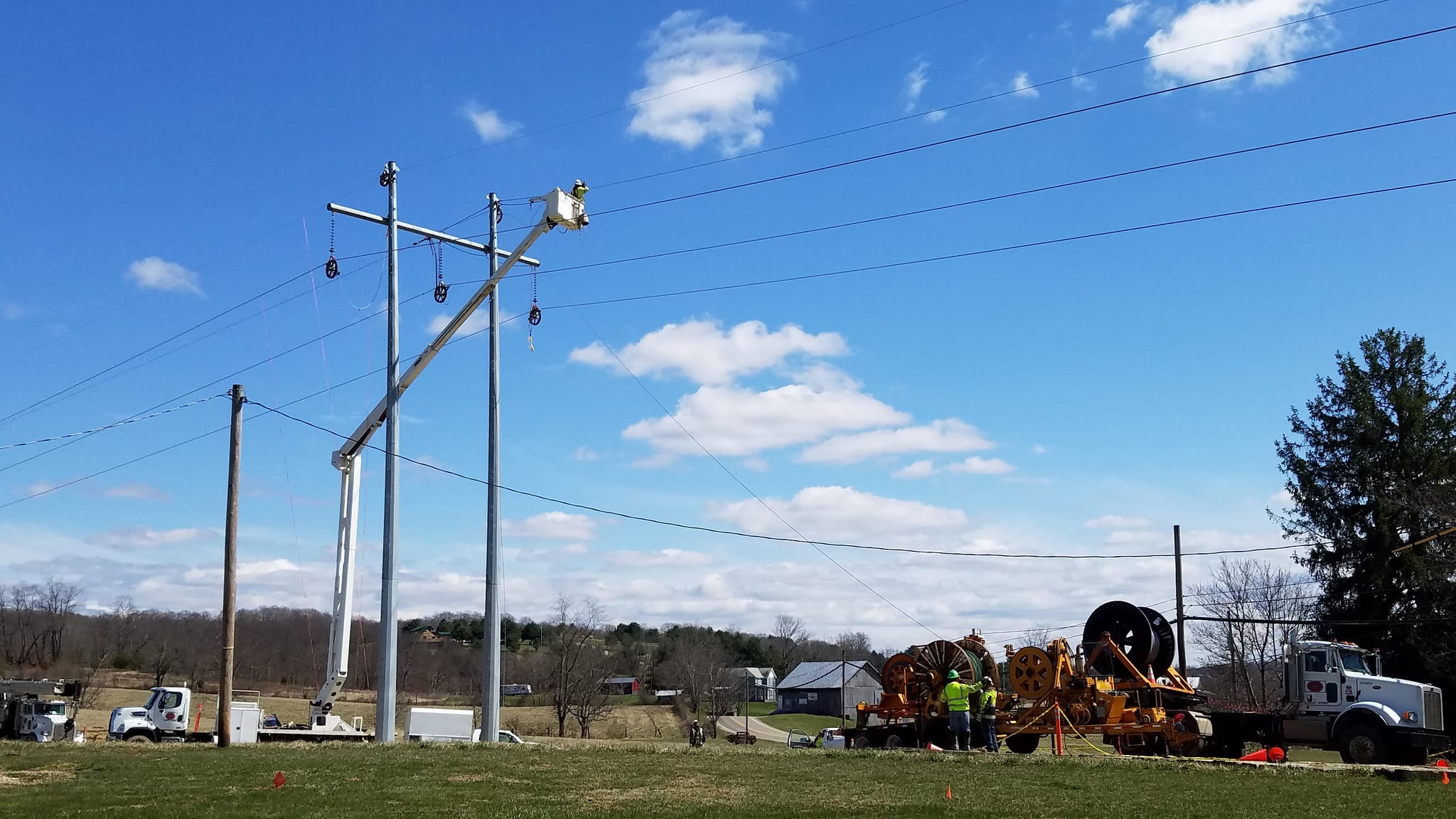
Here is what changed this week, and it is real: AEP removed the delivery bottleneck. Jacobs−0.68% — Jacobs, down 0.68 percent today and WSP USA now hold five-year program management roles on the transmission slice, Jacobs leading the seven-state eastern territory and WSP the four-state west, contract values undisclosed 23.
That includes three 765 kV lines to serve SB Energy's planned 10.4-gigawatt campus in Piketon, Ohio, construction starting in the first quarter of 2027 and in service from late 2028 through 2030; the first 800 megawatts ride existing lines 3. Then came AEP Infrastructure under Greg Hall, pulling competitive generation, AEP Energy's data-center work and customer-owned grid projects into one unit, naming a 20-year fuel-cell facility for Google in Wyoming and a proposed Longview Power Plant acquisition 1.
Transmission is the largest named bucket in AEP's $100B five-year plan
The wires get nearly as much capital as the power plants
Data
| Value | |
|---|---|
| Transmission | $37B |
| Generation | $36B |
| Distribution | $22B |
| Unallocated | $5B |
AEP's capex jumped 48% in 2025, and the new plan implies $20 billion a year
Data
| Capex | |
|---|---|
| 2016 | $4.78B |
| 2017 | $3.53B |
| 2018 | $6.31B |
| 2019 | $6.05B |
| 2020 | $6.25B |
| 2021 | $6.43B |
| 2022 | $7.88B |
| 2023 | $7.53B |
| 2024 | $8.03B |
| 2025 | $11.91B |
Who carries the risk, and what to track
So the chain runs: AI load → signed agreements → wires and generation actually built → billed megawatt-hours. AEP has now contracted the third link before the second is proven. Jacobs and WSP hold a five-year revenue annuity regardless of whether the load converts; they get paid to build. AEP shareholders carry the conversion risk, funded with new equity, against a rate base projected to reach $162 billion by 2031 and a residential-protection promise lifted to $21 billion from take-or-pay contracts, up from $16 billion in July 4.
Track two things. Whether the 84-gigawatt book converts to billed load on the Piketon schedule. And whether Hall's contract-based returns beat regulated rate-base returns, which is the test of whether this unit is a growth engine or a way to move risk off the regulated books. Investors get paid on the first; the second tells you what kind of company AEP is becoming.
Get Power by email, free
How AI's hunger for electricity moves utilities, power plants and the grid. In our daily email, every weekday.