Morgan Stanley calls AI early innings, warns of an 8% drop, and sells Meta's first euro bond
Morgan Stanley spent November 3 calling the AI build-out early, warning of another leg down in stocks, and reporting that its hedge-fund clients have already left the trade. The sale that tests all three is Meta's debut euro bond, and Morgan Stanley is one of the banks selling it.
 Richard Tangthree-minute read

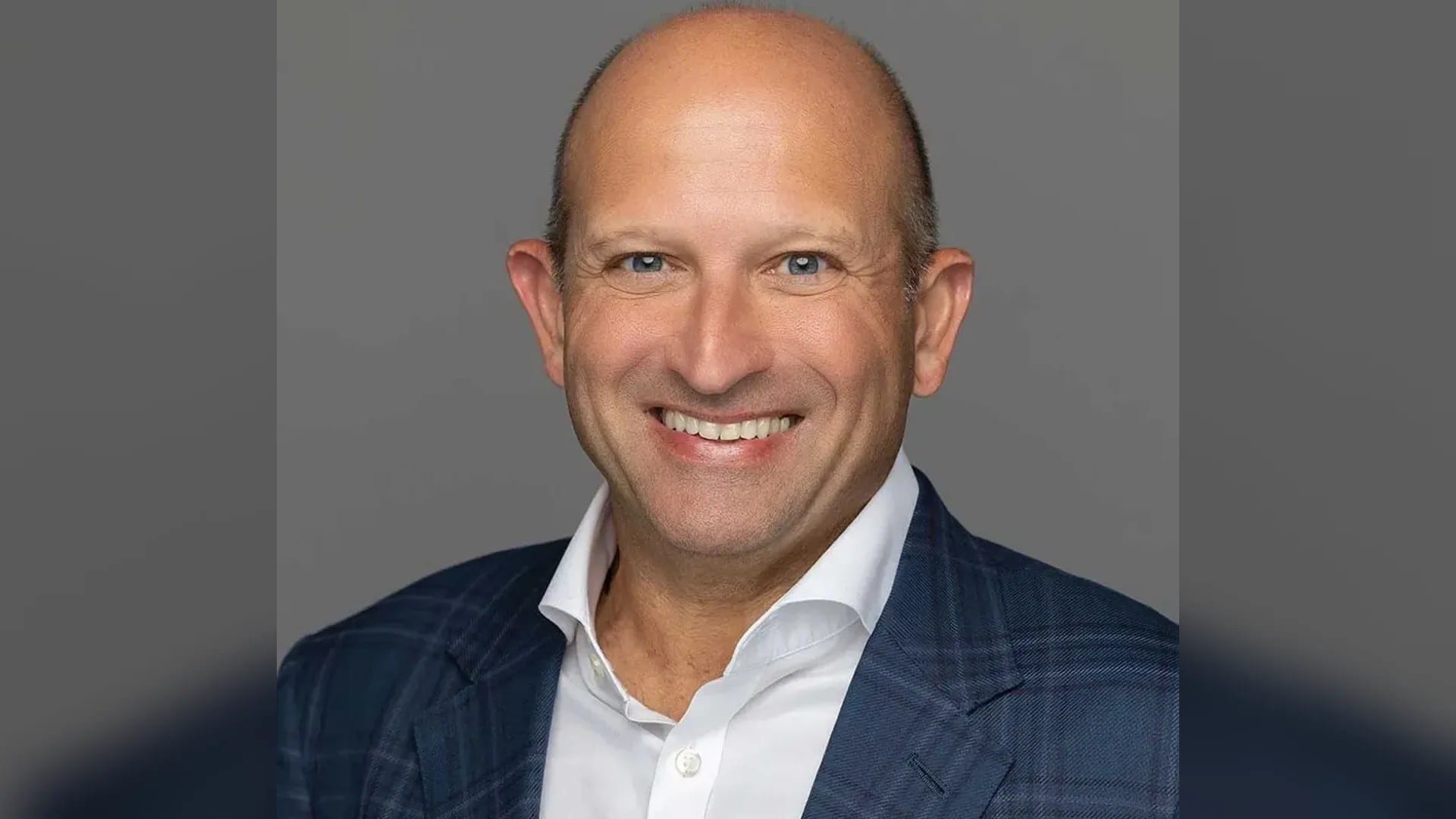
Morgan Stanley+0.46% — Morgan Stanley, up 0.46 percent as of its last quote put three messages in front of investors on November 3, and they do not agree 1. Chief executive Ted Pick told Bloomberg Talks that AI spending runs at roughly $1 trillion a year, which puts the build-out in its "second or third inning" 1.
Chief US equity strategist Mike Wilson told clients the S&P 500 could still drop about 8 percent, toward 7,100, and sees semiconductor stocks falling further into mid-November 23. The bank's prime brokerage, the desk that lends to hedge funds, reports those clients now hold less of the AI trade than their benchmarks do, for the first time since early 2023 410.
A fourth event tests all three. Meta+2.16% — Meta, up 2.16 percent today opened a bond sale, reported at $20 billion to $25 billion and its first in euros, with Citigroup−0.43% — Citigroup, down 0.43 percent today and Morgan Stanley leading the deal 59. None of the bank's messages commits anyone's money. The bond does.
The exit is the only message made of trades
The hedge-fund retreat is built from completed transactions rather than opinion: the longest sustained de-risking in more than 15 years, the largest on Morgan Stanley's record 10. When funds bought US equities again in late October, nearly three-quarters of the money went into index funds rather than individual stocks 4. That is how a fund leaves a trade without declaring it over.
Goldman Sachs'−0.28% — Goldman Sachs, down 0.28 percent as of its last quote client data shows what is left: October's selling unwound every AI purchase hedge funds had made since the start of 2025, yet their AI holdings still rank in the top 17 percent of the past three years, so Goldman calls the unwind closer to its start than its end 6. Wilson's "final innings" is a view 27. Goldman's percentile is a count of what is still owned.
The limit has moved from chips to lenders
Follow the money and the contradiction resolves. Demand for compute still far exceeds supply, in Goldman chief executive David Solomon's words 1. One layer up, the hyperscalers, the handful of cloud giants such as Alphabet−1.47% — Alphabet, down 1.47 percent today, Amazon−1.05% — Amazon, down 1.05 percent today and Meta that buy most of the world's AI chips, are watching free cash flow shrink as capital spending on data centers climbs, and Wilson's own note concedes investors "are no longer overlooking" those shortfalls 7.
Meta's capex has outrun free cash flow for seven straight quarters, and the cash flow went negative
- Capital spending
- Free cash flow
Data
| Capital spending | Free cash flow | |
|---|---|---|
| Q2 '24 | $8.17B | $11.2B |
| Q3 '24 | $8.26B | $16.47B |
| Q4 '24 | $14.43B | $13.56B |
| Q1 '25 | $12.94B | $11.09B |
| Q2 '25 | $16.54B | $9.02B |
| Q3 '25 | $18.83B | $11.17B |
| Q4 '25 | $21.38B | $14.83B |
| Q1 '26 | $19B | $13.23B |
| Q2 '26 | $30.12B | $1.75B |
| Q3 '26 | $33.94B | -$1.16B |
The build-out now runs on borrowed money
So the build-out runs on borrowed money now. Meta has priced $25 billion of common stock this year and sold preferred shares besides 5, and the cost of insuring big-tech debt against default sits at new peaks, a bill we walked through two weeks ago. The limit on AI is no longer chip supply but lenders' appetite for tech debt, and that appetite is cooling: Alphabet and Oracle have already had to offer elevated yields and bigger concessions to get their deals away 5.
Morgan Stanley sits on the paid side of that link, first in financial-services M&A by advised value in the first three quarters of 2026 8 and a lead bank on Meta's euro debut 5. The innings story keeps that financing machine paying the bank, while its own desks publish the risk against it.
Morgan Stanley tops financial-services M&A by value while calling the innings
Data
| Value | |
|---|---|
| Morgan Stanley | $67.4B |
| UBS | $62.3B |
| Barclays | $54.5B |
| Goldman Sachs | $52.8B |
| JPMorgan | $38.6B |
The tests are already on the calendar
Meta's bond prices only if buyers accept Pick's arithmetic 9. The yield it pays, and the discounts lenders demand, will show in cash what the market believes about the innings story, before NVIDIA−2.98% — NVIDIA, down 2.98 percent today reports on November 17 16. The midterm elections land tonight, and Wilson expects that overhang to clear with the vote 7. The hyperscalers' 2027 budgets follow 1. Pick's belief that the $10 trillion to $15 trillion flowing into AI earns its way back over decades is the one claim nobody can check yet 1.
None of this argues against AI. On the demand evidence the build-out is real and early. It argues for learning to read the layer that now decides it, the terms on which lenders will keep funding it, because those buyers can still say no.
Get Economy by email, free
How AI moves rates, banks, payments and the wider economy. In our daily email, every weekday.


Reader comments
0 comments